

V-PEACE DAY : ค้นหาหนังสือธรรมะ หน้า 39 / 126
หน้าหนังสือทั้งหมด

155
Family Day By Day
153
The Value of Life
Part Five: Truth for the Family
156
A Journey's Preparation: Truth for the Family
Part Five: Truth for the Family
Chapter 28
A Journey's Preparation
The man whom we call the Buddha was able to conquer
all sufferings. He taught that we can cope with unexpected
suffering by mindfully
In this chapter, the author discusses how the Buddha was able to overcome suffering and teaches us the importance of preparing ourselves for life's challenges, such as aging, sickness, and death. Key
158
Truth for the Family: Living with Purpose
Part Five: Truth for the Family
in our life is to live with purpose or meaning. The more we
perform deeds that are purposeful and good, the more our life
can be considered meaningful. To get the very
Part Five emphasizes that a meaningful life involves purposeful actions. It suggests avoiding evil, maximizing good deeds, and meditating to maintain a clear mind. The state of our mind at death impac
159
Truth for the Family: Essential Practices for Moral Living
Part Five: Truth for the Family
2. Moral Discipline (silamaya) - Observing moral
behavior by restraining our speech and actions to do
only good; not causing turmoil for others.
3. Meditation Practice
Part Five discusses vital practices for families to cultivate a moral lifestyle. It highlights the importance of moral discipline (silamaya), meditation (bhavanamaya), and humility (apacayanamaya) amo
160
Truth for the Family
Part Five: Truth for the Family
A person who understands the purpose of life, habitually
contemplates the reality of death, and makes an effort to
cultivate good deeds will have the right view of the
การมีความเข้าใจในจุดมุ่งหมายของชีวิตและการคิดถึงความจริงของความตาย จะทำให้ผู้คนสามารถพัฒนาการกระทำที่ดี และมีมุมมองที่ถูกต้องเกี่ยวกับโลก แม้ว่าจะต้องเผชิญกับความทุกข์ในโลก ก็ยังสามารถรักษาจิตใจให้มั่

161
Family Day By Day
159
A Journey's Preparation
Part Five: Truth for the Family
162
Creating Inner Quality for Families
Part Five: Truth for the Family
Chapter 29
Creating Inner Quality
From birth to death, we want to be the best that we can
be, not only for our children and parents, but also to help
them become the be
In 'Creating Inner Quality', the importance of striving for personal excellence for the benefit of family is emphasized. The text highlights the unique characteristics of humans that set us apart from
164
Truth for the Family: The Power of Mindfulness and Meditation
Part Five: Truth for the Family
through mindfulness. Mindfulness is being aware of what we
are doing at the present moment, and being able to differentiate,
or make a judgment, about what is right or
Part Five of this enlightening series emphasizes the importance of mindfulness and meditation in family life. Mindfulness fosters awareness of our actions and helps us discern right from wrong, protec
165
Part Six
Meditation Technique
and Tips
Family Day By Day
163 Meditation Technique and Tips

169
Part Six: Meditation Technique and Tips
The Universal Meditation Technique
Family Day By Day
167
of Relaxation and Joy
179
Meditation Technique and Preparation Tips
Part Six: Meditation Technique and Tips
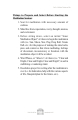
Things to Prepare and Select Before Starting the
Meditation Session:
1. Seat for meditation with necessary amount of
cushion.
2. Mind free from expectation, wor
In this section, we discuss important preparations for a successful meditation session. Key elements include choosing a comfortable seat, ensuring a clear and focused mind, and selecting an initial 'I

183
Part Seven
Appendixes
Family Day By Day
181
Appendixes
184
Glossary of Key Concepts in Buddhist Philosophy
Part Seven: Appendixes
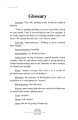
Glossary
Anattata: Non-self; nothing in the world has implicit
identity
"There is nothing out there, not even our bodies, which
we can control. Thus, it is not distinctly ours.
This glossary provides definitions for key Buddhist concepts such as Anattata (non-self), Aniccata (impermanence), and Bhavana (meditation). It emphasizes the understanding that nothing possesses a pe
185
Glossary of Dhamma Terms
Part Seven: Appendixes
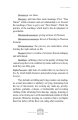
Danamaya: see Dana
Dhamma: split into three main meanings: First: "Pure
Nature" within existence and our relationship to it; Second:
the teachings of how to get to our "Pure Nat
This appendix provides definitions for crucial terms related to Dhamma, including the meaning of Dhama, the significance of giving sermons, the process of forming right outlooks, and the concept of su
186
Understanding the Five Precepts and Spiritual Cultivation
Part Seven: Appendixes
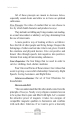
All of these precepts are meant to decrease kilesa,
especially sexual desire and allow us to focus on spiritual
cultivation.
Five Precepts: five rules of conduct that we can cho
This section discusses the Five Precepts aimed at reducing kilesa, particularly sexual desire, fostering spiritual growth. The Five Precepts include refraining from killing, stealing, sexual misconduc
187
Understanding Heaven and Hell in Buddhism
Part Seven: Appendixes
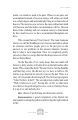
realm, we ourselves need to be pure. When we are pure, our
accumulated amount of boonya energy will refine our mind
to a certain degree and automatically bring us to that realm
This text discusses the Buddhist understanding of heaven and hell, emphasizing the role of boonya and baap in determining one's afterlife. It explains that heaven is achieved through purifying one's a
188
Glossary of Buddhist Terms
Part Seven: Appendixes
Kamma (Sanskrit: Karma): neutral word meaning action
with intention; action
Khanti: endurance
Kilesa (also spelled Gilesa): the impure element to our
mind; i. e. passion, lust,
This glossary provides definitions for essential Buddhist vocabulary, including terms like Kamma, which refers to actions with intention, and Nibbana, the ultimate state of understanding. It discusses
189
Appendixes on Good Deeds and Paths to Destruction
Part Seven: Appendixes
to perform good deeds and this results in parami formation
within the mind
Roads to Ruin: any of the paths, professions, or actions
that eventually lead to destruction; they inc
This section discusses the significance of good deeds and how they cultivate parami within the mind. It outlines various detrimental paths that lead to personal destruction, including indulgence in li
190
Understanding Key Concepts in Buddhism
Part Seven: Appendixes
Right Roles; refers to the principle of aiding people in order
to develop a unified society
Sangha: an assemblage; a community of people who
have completely dedicated their live
In this section, key concepts in Buddhism are elaborated, including the importance of community (Sangha) and mindfulness (Satti) in nurturing a unified society. Sila, or moral discipline, highlights t
191
Appendixes of Theravada Buddhism
Part Seven: Appendixes
Theravada: "the Doctrine of the Elders"; considered as
"Orthodox" Buddhism
Tripitaka: The Pali Canon; Source of Buddhist Scriptures
dating back to the time of the Buddha
Tilakkh
This section provides definitions and explanations of key terms related to Theravada Buddhism. It includes insights into the Tripitaka, the Pali Canon which is the primary source of Buddhist scripture